
Lifestyle Aspects for Men in Maturity
A general overview of lifestyle factors that support daily well-being for men beyond 40 years
Introduction
As men reach maturity and advance beyond forty years, lifestyle factors continue to play important roles in maintaining general well-being. This page provides educational information about nutrition, physical activity, rest, and environmental connection as universal human needs.
Nutrition and Dietary Diversity
Food diversity represents a foundational principle of balanced nutrition. Consuming a wide variety of foods naturally provides exposure to different nutrients, minerals, and beneficial plant compounds.
Key Nutritional Elements
- Macronutrients: Proteins, carbohydrates, and fats provide energy and support basic body functions
- Micronutrients: Vitamins and minerals support various physiological processes
- Plant Compounds: Polyphenols and other compounds occur naturally in plant-based foods
- Fiber: Essential for digestive function and occurring naturally in whole foods
Dietary Diversity Approaches
Different dietary patterns can provide nutritional diversity:
- Mediterranean-style: Emphasizes vegetables, fruits, whole grains, legumes, fish, and olive oil
- Plant-based with variety: Focuses on diverse vegetables, fruits, grains, legumes, nuts, and seeds
- Mixed omnivorous: Combines plant and animal sources for nutritional diversity
- Seasonal eating: Choosing foods in season supports natural food variety

Physical Activity and Movement
Regular physical activity supports cardiovascular health, muscle function, bone density, balance, and mental clarity. Movement in varied environments provides unique benefits.
Types of Movement
- Cardiovascular activity: Walking, hiking, swimming, or cycling support heart and lung function
- Resistance training: Maintains muscle mass and bone density important for aging men
- Flexibility and balance: Yoga, stretching, or balance exercises support functional movement
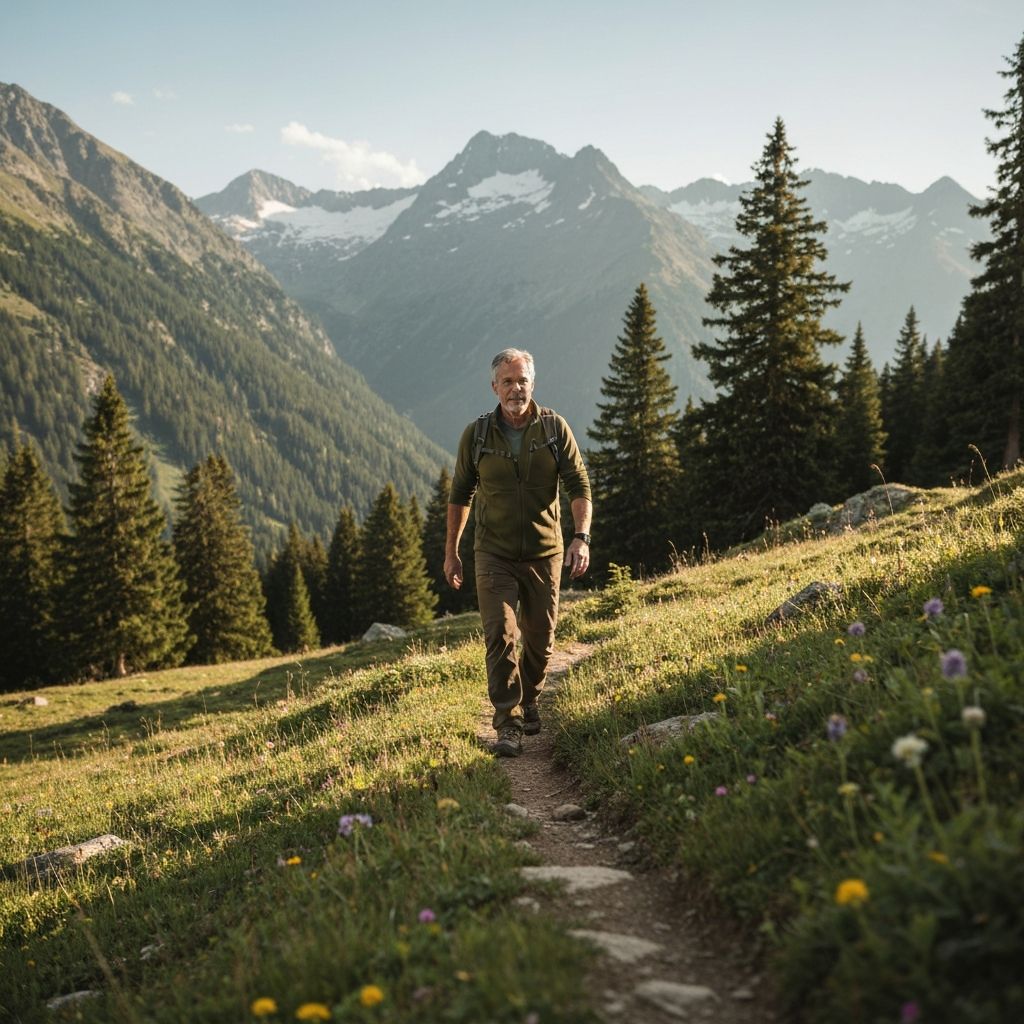
- Outdoor activity: Movement in natural terrain provides both physical and mental benefits
Movement in Nature
Walking or hiking on varied terrain offers benefits beyond flat surface exercise. Uneven ground engages stabilizer muscles, improves balance, and provides mental engagement with natural environments.
Regular outdoor activity supports general vitality and maintains functional fitness throughout life.
Sleep and Rest
Quality sleep represents one of the most fundamental biological processes affecting daily well-being. Sleep architecture involves distinct physiological stages that support physical recovery, cognitive function, and emotional regulation.
Sleep Architecture
- Light sleep (N1-N2): Gradual transition from wakefulness, initial sleep stages
- Deep sleep (N3): Restorative sleep supporting physical recovery and growth hormone release
- REM sleep: Associated with dreaming and supporting cognitive function and memory consolidation
Supporting Better Sleep
Factors supporting quality sleep include:
- Consistent sleep schedule, even on weekends
- Natural light exposure during daylight hours
- Cool, dark, quiet sleeping environment
- Reduced screen exposure before bedtime
- Regular physical activity earlier in the day
- Limited caffeine, especially after afternoon
- Stress management and relaxation practices
These factors support the body's natural circadian rhythms and improve sleep quality regardless of age.
Stress Management and Mental Well-Being
Psychological well-being and stress management represent important aspects of overall health. Chronic stress affects multiple body systems and can impact various aspects of function and vitality.
Stress Management Strategies
- Nature connection: Time spent in outdoor environments naturally reduces stress
- Physical activity: Exercise effectively manages stress through multiple mechanisms
- Meditation and mindfulness: Mental practices support stress reduction
- Social connection: Relationships and community provide essential psychological support
- Hobbies and interests: Engaging activities provide mental stimulation and satisfaction
- Work-life balance: Maintaining boundaries supports sustainable well-being
Environmental Connection
Connection with natural environments supports multiple aspects of well-being. Spending time outdoors, particularly in mountain or natural settings, provides both physical and mental benefits.
Benefits of Nature Connection
- Reduced stress and improved mental clarity
- Increased physical activity through outdoor movement
- Exposure to natural light supporting circadian rhythms
- Enhanced sense of perspective and well-being
- Connection to seasons and natural cycles
- Social interaction through outdoor activities
Building Nature into Daily Life
Integrating nature connection doesn't require dramatic changes:
- Regular walks in natural settings
- Hiking or outdoor sports
- Gardening or plant care
- Outdoor meals and activities
- Weekend trips to natural areas
- Photography or nature observation hobbies
Hydration and Basic Physiology
Water represents a fundamental requirement for all physiological processes. Adequate hydration supports cognitive function, physical performance, and general well-being.
Hydration Needs
Individual hydration needs vary based on activity level, climate, diet, and personal physiology. Generally, adequate hydration involves drinking water regularly throughout the day and adjusting for physical activity and environmental conditions.
Fluid Sources
- Water - the primary hydration source
- Herbal teas and plant infusions
- Coffee and tea (moderate amounts)
- Fruits and vegetables with high water content
Traditional herbal beverage practices in mountain regions represent cultural approaches to hydration and botanical traditions.
General Principles for Well-Being in Maturity
These lifestyle factors work together to support general well-being as men advance through their mature years:
Nutrition
Diverse, balanced diet with whole foods supports nutrient intake and sustained energy
Movement
Regular physical activity maintains function, strength, and cardiovascular health
Rest
Quality sleep and stress management support recovery and mental clarity
Nature
Connection with outdoor environments and natural rhythms supports well-being
Social
Relationships, community, and shared activities provide meaning and support
Purpose
Engagement with interests and meaningful activities support overall vitality